

Rising above the Manang valley on the northern side of the Annapurna range, Chulu East is one of Nepal’s most popular high-altitude climbing objectives. At 6,584 meters (21,600 ft), it offers a genuine Himalayan summit with sweeping views of Annapurna, Manaslu, Dhaulagiri, and Tilicho Peak, and it can be reached by trekkers with solid fitness and a willingness to learn basic mountaineering skills. Chulu East Peak Climbing combines a classic trek through the Marsyangdi valley with a glacier climb, creating a well-rounded expedition in a single trip.
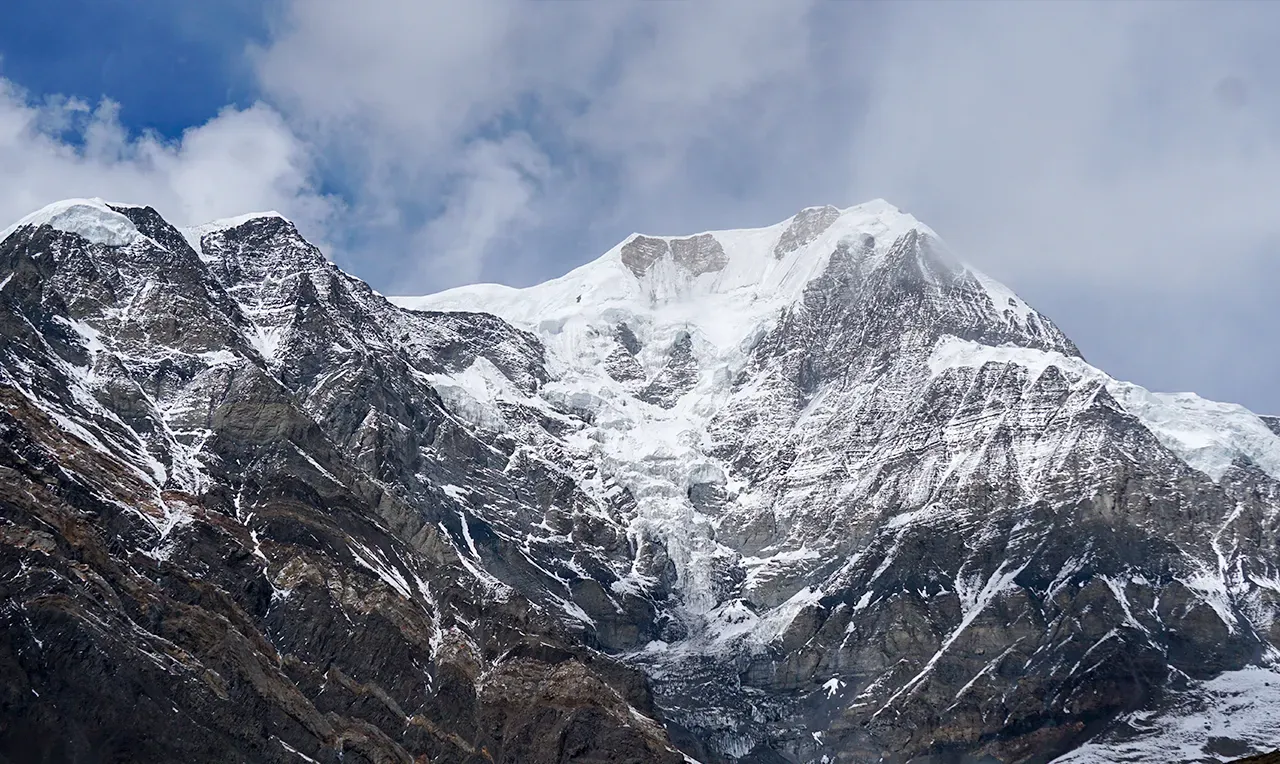
Overview of Chulu East Peak Climbing
Chulu East belongs to the Chulu group, a cluster of peaks that includes Chulu West (6,419 m), Chulu Far East (6,059 m), and Chulu Central. The group stands in the Manang district, north of the main Annapurna Circuit trail, and is far quieter than the more famous peaks in the Everest region.
The climb is classified as a trekking peak by Nepal’s mountaineering authorities, but it should not be taken lightly. Its summit is higher than Island Peak and Mera Peak, and the upper sections involve steep snow, glacier crossings, and exposure. It suits climbers who have previous experience above 5,000 meters and want a more serious challenge without the cost and complexity of an 8,000-meter expedition.
A typical itinerary lasts 18 to 22 days, including the drive from Kathmandu, the approach along the Annapurna Circuit, acclimatization stops in Manang, base camp and high camp stages, and a buffer day for weather. Some agencies offer shorter schedules, but a slower pace improves both safety and the chance of reaching the summit.
Why Climb Chulu East?
A true high-altitude summit. At 6,584 meters, Chulu East rewards climbers with a serious alpine experience. The final ridge and summit slopes feel far removed from ordinary trekking.
Spectacular panoramas. From the top you see the whole Annapurna massif, along with Dhaulagiri, Manaslu, Pisang Peak, Gangapurna, and the peaks of the Tibetan border. Sunrise light on the snowfields is unforgettable.
A cultural approach. The route follows the Annapurna Circuit through Gurung, Tibetan-influenced, and Manangi villages. Prayer flags, monasteries, mani walls, and apple orchards give the trek a rich cultural texture.
Manageable logistics. The trailhead is reached by road from Kathmandu, and the trek follows a well-established route with teahouses before the climb begins. This makes planning simpler than for remote expeditions.
A stepping stone to bigger goals. Chulu East is an excellent preparation for larger peaks such as Himlung Himal, Manaslu, or an 8,000-meter attempt. It builds skills in crampon use, rope work, and cold-weather camping.
Detailed Itinerary
A common itinerary follows this outline, though exact days vary by operator and weather.
Kathmandu to Besisahar and Chame. A long drive along the Marsyangdi River leads to the trailhead. Many groups travel by jeep to Dharapani or Chame, saving time and energy.
Chame to Pisang and Manang. The trail climbs through pine forest, with views of Annapurna II and Pisang Peak. Manang (3,540 m) is a good place for an acclimatization day, with short hikes to Gangapurna Lake, Ice Lake, or the viewpoint above the village.
Manang to Letdar and Chulu Base Camp. The route follows the main Circuit for a short distance, then branches toward the Chulu group. Base camp sits at around 4,900 meters, in a rocky, windswept setting with views of the glaciers above.
Base camp training and rest. Most itineraries include a day for rope practice, crampon skills, and gear checks. This is also a chance to rest and adjust to the altitude before the higher camps.
High camp (about 5,600 m). The climb from base camp to high camp is steep and physically demanding. The camp is small and exposed, so climbers usually arrive in the afternoon, eat early, and try to sleep before the summit push.
Summit day. The ascent begins around midnight or in the very early morning, when the snow is firm. The route crosses glacier terrain, ascends steep snow slopes, and follows a narrow ridge to the top. Fixed ropes may be used on the steeper or more exposed sections. The climb takes around 8 to 12 hours round trip, depending on conditions and pace.
Descent and return. After descending to base camp, the team retraces the route to Manang, then continues by road back to Kathmandu, often with an extra day in reserve for weather delays.
Difficulty and Fitness Requirements
Chulu East is considered a challenging trekking peak, harder than Island Peak or Mera Peak because of its altitude, steeper snow slopes, and longer summit day. The main difficulties are:
-
Altitude: Long stretches above 4,500 m and a summit above 6,500 m.
-
Terrain: Steep snow, glacier travel, crevasses, and exposed ridges.
-
Cold and wind: Temperatures at high camp and on summit day can drop well below freezing.
-
Endurance: A long summit day requires steady pace and mental focus.
Climbers should be comfortable using crampons, an ice axe, a harness, and jumar ascenders. If you are new to mountaineering, arrange a training session with your guides before the climb. Physical preparation should begin three to four months before departure, with hiking, stair climbing, running or cycling, and strength training. Hiking with a loaded pack builds the leg strength needed for steep ascents.
Best Time to Climb
The most reliable seasons are spring (April to May) and autumn (late September to November).
-
Autumn offers stable weather, clear skies, and cold, dry snow, making it the most popular season for Chulu East.
-
Spring brings warmer days and longer daylight, though afternoon clouds can build and snow may be softer.
-
Winter is extremely cold, and heavy snowfall can make the approach and climb difficult.
-
Monsoon (June to August) is not recommended in most areas, although the Manang region lies partly in the rain shadow, so conditions can be better than in the south.
Permits and Regulations
Climbing Chulu East requires several permits and arrangements:
-
Nepal Mountaineering Association (NMA) climbing permit for the peak
-
Annapurna Conservation Area Project (ACAP) permit
-
TIMS card, where applicable
-
A registered trekking and climbing agency, an experienced guide, and support staff
Climbing permit fees vary by season, and rules can change, so confirm the current requirements with your agency well before departure. A licensed guide is strongly recommended, as the route includes crevasses, avalanche-prone slopes, and rapidly changing weather.
Essential Gear
Proper equipment is essential for comfort and safety:
-
Mountaineering boots suitable for crampons
-
Crampons, ice axe, harness, helmet, carabiners, and jumar
-
Insulated down jacket and a sleeping bag rated to at least -20°C
-
Layered clothing, including base layers, fleece, insulated pants, and a waterproof shell
-
Warm gloves, liner gloves, balaclava, and glacier sunglasses
-
Trekking poles, headlamp with spare batteries, and water bottles
-
Water purification tablets and a comprehensive medical kit
Many agencies rent technical gear in Kathmandu, which is convenient for travelers who do not want to bring everything from home. Check what is included in your package.
Acclimatization and Safety
Altitude sickness is the primary risk on Chulu East. Ascend slowly, drink plenty of water, avoid alcohol, and rest when needed. Symptoms such as persistent headache, nausea, dizziness, or breathlessness must never be ignored. Your guide will monitor the group and may recommend an extra rest day or descent if necessary.
Other hazards include crevasses, avalanches, rockfall, and sudden storms. Professional guides assess conditions daily and decide when to move, fix ropes, or wait. Travel insurance with helicopter evacuation cover up to at least 6,600 meters is essential, and you should carry a copy of your policy details with you.
Responsible Climbing
The Annapurna region is one of Nepal’s most visited areas, and its fragile ecosystems deserve care. Carry out all non-biodegradable waste, use refillable bottles, and avoid single-use plastics. Stay on marked trails, respect local customs, and walk clockwise around mani walls and stupas. Support local lodges and businesses, and make sure porters and guides are paid fairly, insured, and equipped with proper clothing and gear.
Conclusion
Chulu East Peak Climbing offers a rare blend of cultural trekking, serious high-altitude mountaineering, and spectacular Himalayan scenery. From the villages of the Marsyangdi valley to the windswept base camp and the exposed summit ridge, the journey builds steadily toward a rewarding finish. It is demanding enough to challenge experienced trekkers, yet accessible enough for motivated climbers who train well and travel with a capable team.
If you want to test your skills above 6,500 meters without committing to a full-scale expedition, Chulu East is an excellent choice. Prepare thoroughly, allow enough time for acclimatization, choose a reputable operator, and respect the mountain. The reward is a summit view over the Annapurna range that few travelers ever experience.