

The Everest region never looks exactly the same throughout the year.
The mountains remain, but the trails, skies, temperatures, and scenery can change from season to season. A village that feels lively and green during one month may look completely different a few months later.
That is one reason why the Everest Base Camp Trek With Helicopter Return continues to attract travelers from around the world. Every season offers its own atmosphere, views, and challenges.
While reaching Everest Base Camp is the main goal, the time of year you choose can shape the entire experience.
Why Seasons Matter in the Everest Region
Many first-time trekkers focus only on the destination.
However, experienced travelers often pay just as much attention to the season. Weather conditions influence visibility, trail conditions, temperatures, and even the overall feeling of the journey.
The Same Trail Can Feel Completely Different
A familiar route can look fresh depending on when you visit.
Clear skies may create endless mountain views. Seasonal flowers can add color to the hills. Snowfall can transform parts of the landscape into a different world.
The trail remains the same, but the experience changes.
Spring Brings New Energy
Spring is often considered one of the most attractive times for trekking in the Everest region.
The weather is usually more stable than winter, and the landscape begins to come alive after colder months.
Color Returns to the Hills
One of the highlights of spring is the appearance of blooming rhododendron forests in lower areas.
The bright colors create a strong contrast against the mountain scenery.
As you walk higher, the air remains cool, but the trails often feel active as trekkers from different countries begin their adventures.
Spring can also provide excellent opportunities for mountain photography because visibility is often good.
Summer Shows a Different Side of the Mountains
Summer in Nepal is linked with the monsoon season.
Rainfall becomes more common, especially in lower areas.
Many travelers avoid this period, but it still has unique characteristics.
The Landscape Looks Fresh
Rain helps create greener hills and forests.
Streams and waterfalls can become more powerful, adding movement and sound to the landscape.
Clouds may hide mountain views at times, but they can also create dramatic scenes as they move across valleys and peaks.
Travelers who enjoy quieter trails sometimes appreciate this period because there may be fewer people on the route.
Autumn Is Famous for a Reason
When people imagine ideal trekking weather in Nepal, autumn often comes to mind.
The monsoon rains have usually cleared the air, leaving crisp views across the Himalayas.
Visibility Can Be Outstanding
The mountains often appear sharp and clear during autumn.
Long-distance views become one of the major highlights.
The trails can be busier because many trekkers choose this season, but the combination of stable weather and excellent scenery makes it easy to understand why it is so popular.
For many visitors, autumn delivers the classic Everest experience.
Winter Offers Peace and Quiet
Winter changes the mood of the Everest region.
Temperatures drop, especially at higher elevations, and some sections of the trail may feel much quieter.
The Mountains Feel More Remote
Fewer trekkers on the route can create a stronger sense of isolation and wilderness.
Snow-covered landscapes add another layer of beauty to the scenery.
Winter trekking requires proper preparation because cold conditions become a more significant factor.
However, travelers who enjoy peaceful environments often find winter rewarding.
The Trail Teaches You to Adapt
No matter which season you choose, flexibility remains important.
Conditions can change from one day to the next.
A sunny morning may become cloudy later in the day. A cool start can turn surprisingly warm during a climb.
Smart Trekkers Prepare for Variety
Layered clothing is useful throughout the year.
Instead of relying on one heavy jacket, many trekkers prefer multiple layers that can be added or removed as conditions change.
This approach helps you stay comfortable while walking through different environments.
Seasonal Changes Affect Daily Life
The villages along the route also reflect the changing seasons.
Different weather patterns influence daily activities, visitor numbers, and the general atmosphere of the settlements.
Every Village Has a Different Mood
A village filled with trekkers during peak season may feel calm and quiet during another part of the year.
The mountains remain impressive, but the overall energy can feel completely different.
That means the same destination can create different memories depending on when you visit.
The Road to Base Camp Is Always Rewarding
Regardless of the season, the journey toward Everest Base Camp offers a gradual transformation.
The trail climbs through valleys, passes through villages, and eventually enters the high-altitude environment surrounding the world’s highest mountain.
Every Step Builds Anticipation
The closer you get to Base Camp, the more dramatic the landscape becomes.
The mountains appear larger. The terrain becomes rougher. The air grows thinner.
By the time you arrive, you have already experienced a wide range of environments.
That variety is one of the strengths of the trek.
The Helicopter Return Reveals Seasonal Beauty From Above
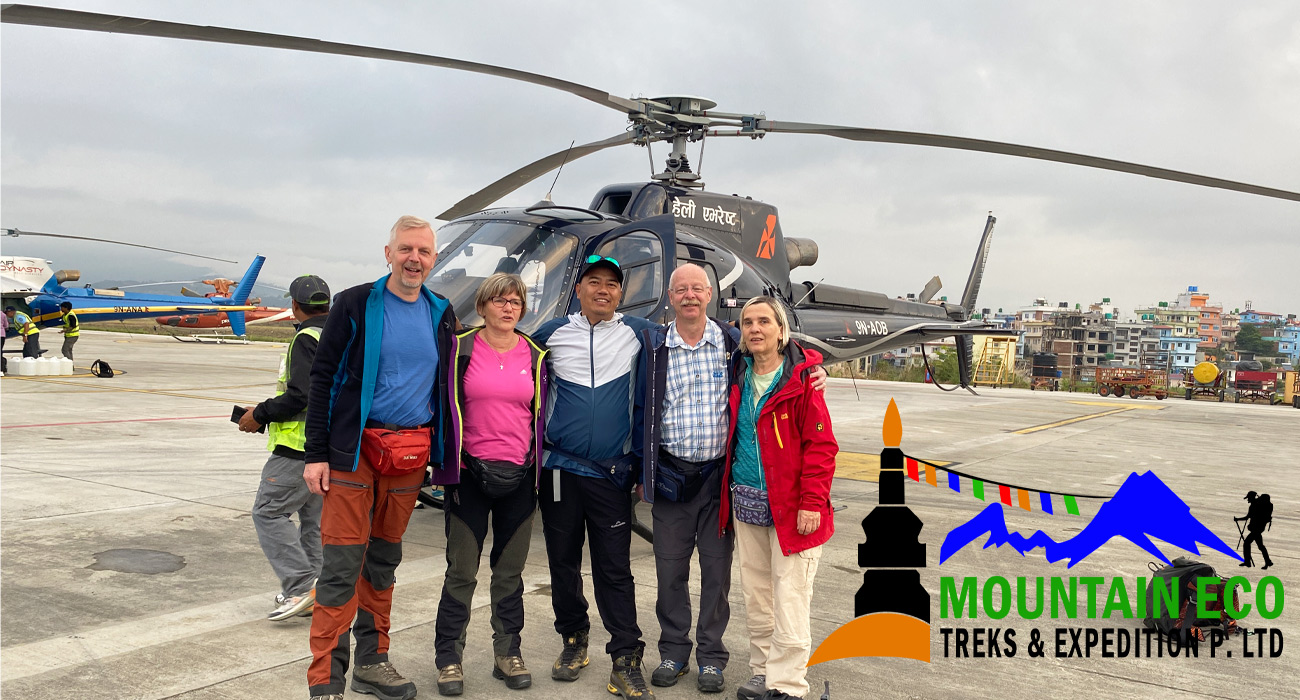
The Everest Base Camp Trek With Helicopter Return offers a unique advantage after reaching the destination.
The return flight can provide an aerial perspective of the landscape you have just crossed.
Different seasons create different scenes from above.
A Bird’s-Eye View Changes Everything
Snow-covered ridges in winter, colorful forests in spring, lush valleys in summer, or crystal-clear mountain views in autumn all create their own visual experience.
The helicopter allows you to appreciate the scale of the region in a way that is difficult to understand while walking.
It becomes a memorable final chapter of the journey.
Weather Remains Part of the Adventure
Although the helicopter return is a major attraction, it depends on weather conditions.
Mountain aviation always places safety first.
Patience Is Important
Clouds, wind, or poor visibility may affect flight schedules.
Travelers should keep some flexibility in their plans and understand that conditions in the Himalayas can change quickly.
A patient attitude makes the experience much more enjoyable.
Choosing the Right Season for You
There is no perfect season for every traveler.
Some people prefer colorful spring landscapes. Others want the famous visibility of autumn. Some enjoy the quieter atmosphere of winter, while others appreciate the greener scenery of summer.
Match the Season to Your Priorities
Think about what matters most to you.
Do you want fewer crowds? Better photography opportunities? Snow-covered scenery? Comfortable temperatures?
Your answer can help determine the best time for your adventure.
Every Season Tells a Different Story
The Everest Base Camp Trek With Helicopter Return is more than a journey to a famous destination. It is an opportunity to experience one of the world’s most remarkable mountain regions in a way that changes throughout the year.
Each season adds its own personality to the trail. Spring brings color, summer brings freshness, autumn brings clear mountain views, and winter brings peace and solitude.
No matter when you visit, the combination of trekking to Base Camp and returning by helicopter creates a balanced adventure. You experience the region slowly on foot and then enjoy a final panoramic view from above.
The mountains remain the same, but every season tells a different story—and that story becomes part of your own journey.
Frequently Asked Questions
Which season is most popular for Everest trekking?
Autumn is often considered one of the most popular seasons because of its clear skies and mountain views.
Can I trek during winter?
Yes, but winter conditions are colder and require proper preparation and equipment.
Does spring offer good scenery?
Yes. Spring is known for colorful landscapes, blooming rhododendrons, and pleasant trekking conditions.
Can weather affect the helicopter return?
Yes. Helicopter flights depend on safe weather and visibility conditions.
Does the Everest region look different in each season?
Absolutely. The scenery, trail conditions, atmosphere, and overall experience can change significantly throughout the year.